Tooth Extractions Explained: When Removing a Tooth Is the Best Option
Published Jul 24, 2026

A tooth extraction may sound intimidating, but in many cases, it is the best way to protect your oral health and relieve pain. While modern dentistry focuses on saving natural teeth whenever possible, there are situations where removing a tooth is the safest and most effective treatment.
Whether you're experiencing severe tooth pain, a damaged wisdom tooth, or an emergency dental issue, understanding the extraction process can help you feel more confident about your treatment. At Ceres Dental Sydney, our experienced dentists provide gentle, patient-focused dental extractions using modern techniques to ensure your comfort every step of the way. If you're searching for a trusted dentist near me, an emergency dentist Sydney, or professional tooth extraction Sydney services, this guide explains everything you need to know.
What Is a Tooth Extraction?
A tooth extraction is a dental procedure in which a tooth is carefully removed from its socket in the jawbone. Dentists only recommend extractions when preserving the tooth is no longer possible or when removing it offers the best outcome for your oral health.
Before recommending an extraction, your dentist will perform a thorough examination, take digital X-rays, and discuss all available treatment options. Whenever possible, restorative treatments such as fillings, crowns, or root canal therapy are considered before extraction becomes necessary.
Thanks to modern anaesthetic techniques and advanced dental technology, tooth extractions are now safer, more comfortable, and more efficient than ever before.
Reasons You May Need a Tooth Extraction
There are several situations where a dental extraction may be recommended.
- Severe Tooth Decay
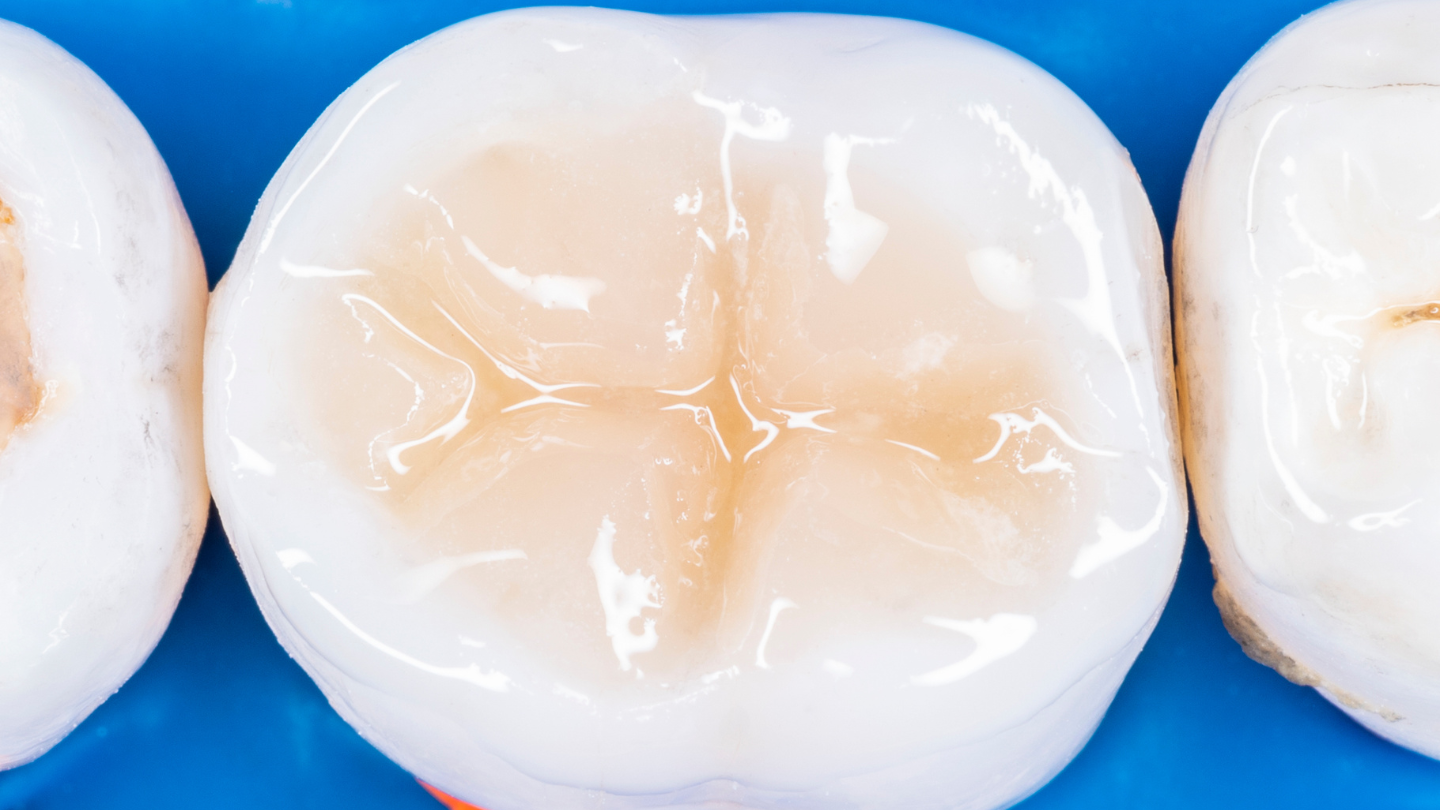
When tooth decay has progressed beyond repair and there isn't enough healthy tooth structure remaining, extraction may be the best option to prevent infection from spreading.
- Advanced Gum Disease
Periodontal disease can damage the bone and supporting tissues surrounding a tooth. If a tooth becomes excessively loose due to advanced gum disease, extraction may be necessary to preserve the health of neighbouring teeth.
- Impacted Wisdom Teeth
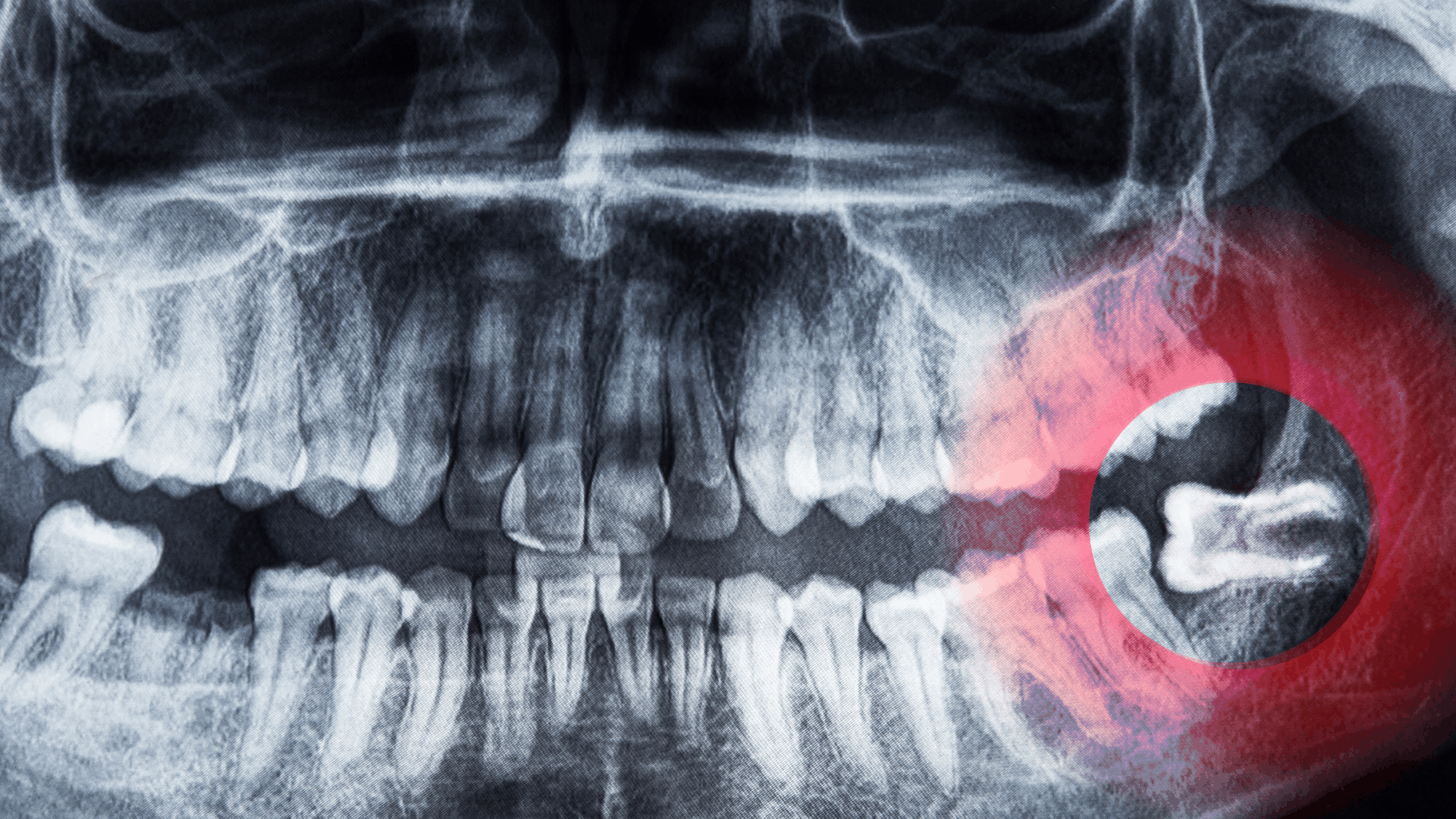
Wisdom teeth often don't have enough room to erupt properly. They may become trapped beneath the gums or grow at an angle, causing pain, swelling, infection, or damage to adjacent teeth. Wisdom tooth removal is one of the most common dental extraction procedures.
- Cracked or Broken Teeth
A tooth that is severely fractured below the gum line may not be restorable with a crown or other dental treatment. In these cases, extraction may be the safest long-term solution.
- Overcrowding Before Orthodontic Treatment
Some patients undergoing orthodontic treatment, including braces or clear aligners, may require one or more teeth to be removed to create adequate space for proper alignment.
- Dental Emergencies
Dental trauma resulting from accidents, sports injuries, or severe infections may require immediate extraction to relieve pain and prevent further complications. If you're experiencing sudden swelling or severe tooth pain, seeking care from an emergency dentist in Sydney is important.
Simple vs Surgical Extractions
Not all tooth extractions are the same. The procedure depends on the condition and position of the tooth.
Simple Tooth Extraction
A simple extraction is performed when the tooth is fully visible above the gum line and can be removed using specialised dental instruments.
This procedure is commonly used for:
• Severely decayed teeth
• Loose teeth
• Teeth with extensive damage
• Baby teeth that have not fallen out naturally
Simple extractions are usually completed quickly under local anaesthesia.
Surgical Tooth Extraction
A surgical extraction is required when a tooth cannot be easily accessed, such as impacted wisdom teeth or teeth that have broken below the gum line.
During a surgical extraction, your dentist may make a small incision in the gum to safely access the tooth. In some cases, the tooth is carefully divided into smaller sections before removal to minimise trauma to surrounding tissues.
Although surgical extractions are more complex, modern techniques help make the procedure as comfortable as possible.
What Happens During the Procedure?
Understanding each step of the extraction process can help reduce anxiety before your appointment.
- Comprehensive Examination
Your dentist begins by examining your mouth and reviewing digital X-rays to assess the position of the tooth and surrounding bone.
- Local Anaesthetic
A local anaesthetic is administered to numb the treatment area completely. While you may feel pressure during the procedure, you should not experience pain.
- Tooth Removal
For simple extractions, specialised instruments gently loosen the tooth before it is removed.
For surgical extractions, a small incision may be made to access the tooth, particularly if it is impacted or fractured.
- Cleaning the Site
Once the tooth has been removed, the socket is cleaned to reduce the risk of infection.
- Closing the Area
If necessary, dissolvable stitches may be placed to assist healing. Gauze is then applied to help control bleeding and encourage clot formation.
Most extraction appointments are completed within 30 to 60 minutes, depending on the complexity of the case.
Recovery After an Extraction
Healing usually begins immediately after the procedure.
Most patients experience mild swelling, tenderness, and slight discomfort for a few days. These symptoms are a normal part of the healing process and can usually be managed with prescribed or over-the-counter pain medication. The initial blood clot that forms inside the socket plays a vital role in healing. Protecting this clot helps reduce the risk of developing a painful condition known as dry socket. Most patients can return to normal daily activities within one or two days following a simple extraction, while surgical extractions may require a slightly longer recovery period.
Complete healing of the extraction site generally occurs over several weeks.
Aftercare Tips
Following your dentist's instructions carefully will help promote faster healing and minimise complications.
For the first 24 hours after your extraction:
• Bite gently on the gauze provided.
• Rest and avoid strenuous physical activity.
• Apply a cold compress to reduce swelling.
• Eat soft foods such as yoghurt, mashed potatoes, soup, or smoothies.
• Drink plenty of water.
To protect the extraction site, avoid:
• Smoking or vaping.
• Drinking through a straw.
• Vigorous rinsing.
• Alcohol during the early healing period.
• Hard, crunchy, or spicy foods.
Continue brushing your teeth as normal while avoiding direct contact with the extraction site for the first few days.
If you experience excessive bleeding, severe pain several days after the extraction, persistent swelling, or signs of infection, contact your dentist immediately.
Why Choose Ceres Dental Sydney?
At Ceres Dental Sydney, patient comfort and long-term oral health are our priorities. Our experienced dental team takes a conservative approach, recommending tooth extraction only when it is genuinely the best treatment option.
Using advanced diagnostic imaging, modern anaesthetic techniques, and gentle treatment methods, we aim to make every extraction as comfortable and stress-free as possible.
Whether you require a routine dental extraction, wisdom tooth removal, or urgent treatment from an emergency dentist in Sydney, our team provides personalised care tailored to your individual needs. We also discuss suitable tooth replacement options, such as dental implants or bridges, when appropriate to help restore your smile and maintain long-term oral function.
Book Your Tooth Extraction Consultation Today
While preserving natural teeth is always our goal, sometimes a tooth extraction is the healthiest choice for protecting your smile and preventing further dental complications.
If you're looking for professional tooth extraction Sydney, wisdom tooth removal, or a compassionate dentist near me, Ceres Dental Sydney is here to help.
Our experienced team provides gentle, personalised dental care in a comfortable environment, ensuring you receive the treatment you need with confidence and peace of mind.
Book your consultation with Ceres Dental Sydney today and take the first step toward a healthier, pain-free smile.
Ceres Dental Sydney
179 Victoria St, Potts Point NSW 2011, Australia
Whether you're experiencing severe tooth pain, a damaged wisdom tooth, or an emergency dental issue, understanding the extraction process can help you feel more confident about your treatment. At Ceres Dental Sydney, our experienced dentists provide gentle, patient-focused dental extractions using modern techniques to ensure your comfort every step of the way. If you're searching for a trusted dentist near me, an emergency dentist Sydney, or professional tooth extraction Sydney services, this guide explains everything you need to know.
What Is a Tooth Extraction?
A tooth extraction is a dental procedure in which a tooth is carefully removed from its socket in the jawbone. Dentists only recommend extractions when preserving the tooth is no longer possible or when removing it offers the best outcome for your oral health.
Before recommending an extraction, your dentist will perform a thorough examination, take digital X-rays, and discuss all available treatment options. Whenever possible, restorative treatments such as fillings, crowns, or root canal therapy are considered before extraction becomes necessary.
Thanks to modern anaesthetic techniques and advanced dental technology, tooth extractions are now safer, more comfortable, and more efficient than ever before.
Reasons You May Need a Tooth Extraction
There are several situations where a dental extraction may be recommended.
- Severe Tooth Decay
When tooth decay has progressed beyond repair and there isn't enough healthy tooth structure remaining, extraction may be the best option to prevent infection from spreading.
- Advanced Gum Disease
Periodontal disease can damage the bone and supporting tissues surrounding a tooth. If a tooth becomes excessively loose due to advanced gum disease, extraction may be necessary to preserve the health of neighbouring teeth.
- Impacted Wisdom Teeth
Wisdom teeth often don't have enough room to erupt properly. They may become trapped beneath the gums or grow at an angle, causing pain, swelling, infection, or damage to adjacent teeth. Wisdom tooth removal is one of the most common dental extraction procedures.
- Cracked or Broken Teeth
A tooth that is severely fractured below the gum line may not be restorable with a crown or other dental treatment. In these cases, extraction may be the safest long-term solution.
- Overcrowding Before Orthodontic Treatment
Some patients undergoing orthodontic treatment, including braces or clear aligners, may require one or more teeth to be removed to create adequate space for proper alignment.
- Dental Emergencies
Dental trauma resulting from accidents, sports injuries, or severe infections may require immediate extraction to relieve pain and prevent further complications. If you're experiencing sudden swelling or severe tooth pain, seeking care from an emergency dentist in Sydney is important.
Simple vs Surgical Extractions
Not all tooth extractions are the same. The procedure depends on the condition and position of the tooth.
Simple Tooth Extraction
A simple extraction is performed when the tooth is fully visible above the gum line and can be removed using specialised dental instruments.
This procedure is commonly used for:
• Severely decayed teeth
• Loose teeth
• Teeth with extensive damage
• Baby teeth that have not fallen out naturally
Simple extractions are usually completed quickly under local anaesthesia.
Surgical Tooth Extraction
A surgical extraction is required when a tooth cannot be easily accessed, such as impacted wisdom teeth or teeth that have broken below the gum line.
During a surgical extraction, your dentist may make a small incision in the gum to safely access the tooth. In some cases, the tooth is carefully divided into smaller sections before removal to minimise trauma to surrounding tissues.
Although surgical extractions are more complex, modern techniques help make the procedure as comfortable as possible.
What Happens During the Procedure?
Understanding each step of the extraction process can help reduce anxiety before your appointment.
- Comprehensive Examination
Your dentist begins by examining your mouth and reviewing digital X-rays to assess the position of the tooth and surrounding bone.
- Local Anaesthetic
A local anaesthetic is administered to numb the treatment area completely. While you may feel pressure during the procedure, you should not experience pain.
- Tooth Removal
For simple extractions, specialised instruments gently loosen the tooth before it is removed.
For surgical extractions, a small incision may be made to access the tooth, particularly if it is impacted or fractured.
- Cleaning the Site
Once the tooth has been removed, the socket is cleaned to reduce the risk of infection.
- Closing the Area
If necessary, dissolvable stitches may be placed to assist healing. Gauze is then applied to help control bleeding and encourage clot formation.
Most extraction appointments are completed within 30 to 60 minutes, depending on the complexity of the case.
Recovery After an Extraction
Healing usually begins immediately after the procedure.
Most patients experience mild swelling, tenderness, and slight discomfort for a few days. These symptoms are a normal part of the healing process and can usually be managed with prescribed or over-the-counter pain medication. The initial blood clot that forms inside the socket plays a vital role in healing. Protecting this clot helps reduce the risk of developing a painful condition known as dry socket. Most patients can return to normal daily activities within one or two days following a simple extraction, while surgical extractions may require a slightly longer recovery period.
Complete healing of the extraction site generally occurs over several weeks.
Aftercare Tips
Following your dentist's instructions carefully will help promote faster healing and minimise complications.
For the first 24 hours after your extraction:
• Bite gently on the gauze provided.
• Rest and avoid strenuous physical activity.
• Apply a cold compress to reduce swelling.
• Eat soft foods such as yoghurt, mashed potatoes, soup, or smoothies.
• Drink plenty of water.
To protect the extraction site, avoid:
• Smoking or vaping.
• Drinking through a straw.
• Vigorous rinsing.
• Alcohol during the early healing period.
• Hard, crunchy, or spicy foods.
Continue brushing your teeth as normal while avoiding direct contact with the extraction site for the first few days.
If you experience excessive bleeding, severe pain several days after the extraction, persistent swelling, or signs of infection, contact your dentist immediately.
Why Choose Ceres Dental Sydney?
At Ceres Dental Sydney, patient comfort and long-term oral health are our priorities. Our experienced dental team takes a conservative approach, recommending tooth extraction only when it is genuinely the best treatment option.
Using advanced diagnostic imaging, modern anaesthetic techniques, and gentle treatment methods, we aim to make every extraction as comfortable and stress-free as possible.
Whether you require a routine dental extraction, wisdom tooth removal, or urgent treatment from an emergency dentist in Sydney, our team provides personalised care tailored to your individual needs. We also discuss suitable tooth replacement options, such as dental implants or bridges, when appropriate to help restore your smile and maintain long-term oral function.
Book Your Tooth Extraction Consultation Today
While preserving natural teeth is always our goal, sometimes a tooth extraction is the healthiest choice for protecting your smile and preventing further dental complications.
If you're looking for professional tooth extraction Sydney, wisdom tooth removal, or a compassionate dentist near me, Ceres Dental Sydney is here to help.
Our experienced team provides gentle, personalised dental care in a comfortable environment, ensuring you receive the treatment you need with confidence and peace of mind.
Book your consultation with Ceres Dental Sydney today and take the first step toward a healthier, pain-free smile.
Ceres Dental Sydney
179 Victoria St, Potts Point NSW 2011, Australia